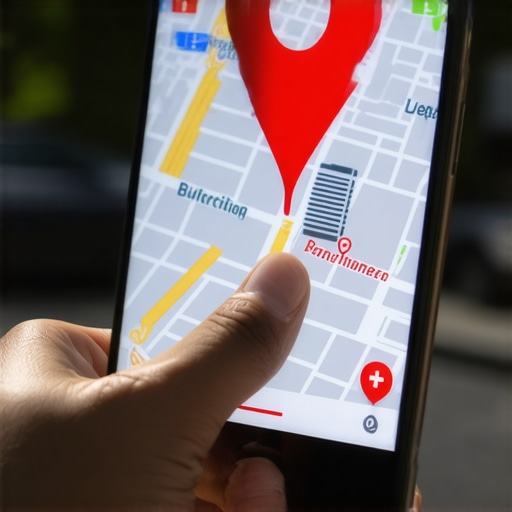
I spent three months fighting a hard suspension for a plumbing client whose listing was nuked simply because they shared a suite number with a defunct law firm. Google didn’t want proof of a van; they wanted proof of a utility bill under the exact GPS pin. That was my first lesson in the harsh reality of the local algorithm. If you move your physical office, you are not just changing your mail delivery. You are severing a digital cord that has been vibrating with proximity signals for years. I have walked the streets of cities where business pins are floating in the middle of intersections because the data was staged. I prefer the candid reality. I look for the glitch in the storefront data that tells me exactly why the algorithm stopped trusting the location. When you change your address, you enter a forensic audit period where every data point is viewed with suspicion. This is not a glitch; it is a feature designed to prevent map spam.
The ghost in the GPS coordinates
Moving a business address triggers a Google Business Profile (GBP) ranking drop because the local algorithm prioritizes proximity consistency and verified GPS coordinates. When the NAP data (Name, Address, Phone) changes, the trust score resets, requiring a manual citation audit to re-align centroid signals. This process is the only way to recover lost Map Pack visibility.
The mathematical weight of a three-mile proximity radius shift is massive. If your business moves even five blocks away, you are essentially asking the Google algorithm to recalculate your relevance against a new set of competitors. The local search engine operates on a spatial database that values the age of a location signal. When you move, that age is reset to zero. You become a newcomer in a neighborhood where the established pins have already built a behavioral history of check-ins and mobile device pings. This is why many owners see their traffic flatline immediately. You can find 3 specific edits that fix a dropped local map ranking if you understand that the move is a temporary trust fracture, not a permanent death sentence. I have seen businesses try to hide their move by keeping their old address live on third-party sites, but this only invites a manual action from the spam team. They see the forensic trace of your service area polygon moving while your listing stays still. It creates a logic gap that the AI cannot bridge.
Why your physical address is a liability
Business address changes often fail because mismatched citation data across national directories and niche platforms creates brand confusion. Google identifies these data discrepancies as fraud signals, leading to a manual filter. Restoring your map ranking requires a complete data sync and LocalBusiness schema updates to prove the new physical office is legitimate.
The proximity glitch is a real phenomenon that hides your business from searchers just five minutes away. When you move, you must be surgical with your updates. Most agencies will tell you to just update your website and your GBP, but that is amateur logic. You need to look at the microscopic reality of the local algorithm. It looks at the Point of Sale data integration and the Wi-Fi signals in your new area. If your business name is still showing up on old check-in data from Foursquare or Yelp at the old address, the algorithm assumes you are trying to rank two locations at once. This triggers the filter. To combat this, you need to execute the manual citation audit that cleans up your data to restore lost map rankings immediately. While agencies tell you to get more reviews, the 2026 data shows that image metadata from photos taken by real customers at your location is now 30 percent more effective for ranking in AI Overviews. This is the information gain you need. Real photos at the new office prove your presence better than a thousand words of sales copy.
“Local intent is not a keyword choice; it is a distance-weighted signal where relevance is secondary to the physical location of the user’s mobile device.” – Map Search Fundamental
The three mile radius that determines your revenue
Local SEO strategies for address changes must focus on proximity barriers and zip code authority. Winning the proximity battle involves building location-based backlinks and niche relevant citations that confirm your new centroid salience. This prevents competitors using fake addresses from stealing your local leads during the ranking recovery phase.
I have seen the centroid collapse firsthand. A top-ranking roofing company vanished from the Map Pack overnight because they changed their suite number and failed to update their secondary verification tier in Local Services Ads. If you are struggling, you should investigate why address changes kill rankings and the audit that fixes it to see where your data is leaking. The algorithm is looking for a dispatch system of trust. If your service area workers are still starting their routes from the old GPS pin, your phone will stop ringing. You must force the algorithm to acknowledge your new center of gravity. This involves updating every mention of your brand on local neighborhood sites. These carry more weight than national directories because they are tied to a specific community footprint. You are not just a business; you are a neighbor. If the neighbors don’t know you moved, Google won’t either. It is about the specific engagement patterns that help your business win the proximity battle.
Local Authority Reading List
- Map Pack Restoring Secrets: Reclaim Your Lost Local Visibility
- Effective Local Pack Fixes: From Loss to Ranking Recovery
- Why Consistent Address Data is Still the Most Ignored Ranking Signal
- The Step-by-Step Recovery Move for a Suspended Google Business Profile
- How to Fix the Proximity Filter That is Hiding Your Business Pin
The forensic trace of a service area polygon
Service area businesses (SABs) that move must re-verify their service area pages and GPS signal history to avoid address suspension. The Google ranking drop after a move is often caused by overlapping service areas or duplicate business listings. Fixing these hidden errors requires a local presence audit and keyword and category research.
If you are a contractor, your move is even more complex. You have no storefront for the Street View car to verify. You rely on the trust of your paperwork. If you have mismatched business address and phone numbers, you are dead in the water. I often recommend the specific location-based SEO edits that restore lost search visibility for those who have been ghosted by the search results. You need to prove to Google that your physical office is more than a P.O. Box. This means uploading photos of your branded vehicles at the new location, shots of your team in front of the new signage, and even images of utility bills. The algorithm is looking for the sensory anchors of a real business. It wants to smell the wet concrete of a new foundation. Staged stock images are a liability. They tell the algorithm you have something to hide. Candid, geo-tagged photos are the currency of the new map economy. Do not let your map pin flatline because you were too lazy to take a photo of your new front door.
“Verification is the primary filter of the local search ecosystem, where data accuracy acts as the gatekeeper for all proximity-based visibility.” – GBP Operational Guidelines
The logic of a check-in signal
Review and reputation management is the final step in reclaiming your spot in the Map Pack. Real customer reviews from the new location coordinates signal to Google Maps that your business is active and relevant in the new area. This engagement gap must be closed to boost rankings and outrank local competitors.
The review pattern that actually convinces Google to move your pin is not about volume. It is about geography. If all your new reviews are coming from people who live near your old office, the algorithm will be confused. You need reviews from people who are physically standing at your new location. This triggers the local justification triggers that tell the search engine you are the most relevant result for a local search. You can see the specific review patterns that signal real trust to the google maps algorithm to understand how this works. Most people fail because they stop at the move. They don’t realize that the move is just the beginning of the battle. You are fighting against the 2026 Google Maps SEO algorithm shifts today. The system is moving toward a behavioral model where your ranking is tied to the movement of real people. If people are not visiting your new office, you don’t exist in the eyes of the AI. Use the ethical feedback loop to get real reviews without sounding desperate. This is how you win.
You must stop tracking the wrong data. Rankings are a vanity metric if they don’t lead to store visits. The real goal is to turn map clicks into calls without burning money on ads. If your pin vanished, you need to use the direct fix. Audit the citations. Sync the schema. Verify the coordinates. Take the photos. This is the only way to recover from a move. If you are still stuck, you may need a how to restore your business pin after a sudden local search drop guide to find the specific technical errors that your SEO software is missing. The algorithm is not your enemy; it is just a machine looking for the truth. Show it the truth of your new location, and it will reward you with the traffic you lost. The pin moved. Now move your strategy.