Have you ever watched your local search rankings slip away overnight? One day your business was dominating the local pack, and the next, it was vanished into thin air. I remember the sinking feeling of seeing my own map pack rankings disappear without warning—panic set in. It was a wake-up call that even the best local SEO strategies can falter without constant attention. But here’s the truth: losing your local pack rank isn’t the end of the world. In fact, with the right tactics, you can recover faster than you think.
Why Local Pack Rankings Matter More Than Ever in 2024
In 2024, local search visibility is more competitive—and more critical—than ever. According to BrightLocal, 78% of local mobile searches result in an offline purchase, making your local pack ranking a direct driver of foot traffic and revenue. When your business drops out of the local pack, you risk losing a significant chunk of potential customers. But why do rankings fluctuate so unpredictably? Factors like algorithm updates, Google My Business (GMB) suspensions, or even inconsistent NAP data can all play a role. Understanding why your rankings fell is the first step toward reversing the trend.
Have You Faced This Problem?
If you’ve recently noticed a sudden drop in your local rankings, you’re not alone. I’ve been there, too. Early on, I made a critical mistake: neglecting to keep my GMB profile updated and ignoring recent algorithm changes. That oversight cost me valuable visibility, and it took months to recover. Trust me, recognizing these pitfalls early can save you time and money. For a comprehensive approach, check out our detailed guide on proven strategies to fix map pack loss.
What We Will Cover Today
In this post, I’ll share the top proven strategies to recover your lost local pack rankings quickly and safely. From troubleshooting algorithm updates to optimizing your GMB profile, these tactics are based on real-world experience and industry best practices. If you’re ready to reclaim your visibility and drive more local business, let’s dive into the essential steps to turn your rankings around in 2024.
Understanding the Causes of Map Pack Loss
Audit Your GMB Profile for Accuracy and Completeness
Start with a thorough audit of your Google My Business (GMB) profile. Check that all information is accurate, consistent, and up-to-date—especially your NAP (Name, Address, Phone Number). In my experience, a simple typo or outdated info can cause a significant ranking drop. For example, I once noticed my phone number displayed incorrectly, which led to inconsistent citations and a ranking dip. Correct all data and ensure your profile is fully optimized with relevant categories, engaging photos, and updated business hours. This step acts like tuning a car engine—without it, you won’t run smoothly.
Optimize Your Website for Local SEO
Your website is the engine that drives your local rankings. Ensure your local keywords are integrated naturally into your site’s content, meta titles, and descriptions. Use schema markup for local business details—this helps Google understand your location and services better. I once added local schema to my site, and within weeks, I saw an improvement in local pack visibility. Use tools like Google Search Console to monitor performance and fix crawl issues promptly. Think of your website as the foundation of your local SEO house; if it’s shaky, everything else collapses.
Build and Manage Local Citations Effectively
Citations are online mentions of your business’s NAP data across directories, review sites, and local listings. Inconsistent citations can confuse Google and hurt your rankings. Conduct a citation audit using tools like Moz Local or BrightLocal, then correct discrepancies across all platforms. I recommend submitting your business to top directories like Yelp, Bing Places, and industry-specific sites. Also, ensure your citations are consistent—this is like having multiple witnesses agree on your business details, reinforcing your credibility with Google.
Generate and Manage Customer Reviews
Reviews significantly influence local rankings and consumer trust. Encourage happy customers to leave reviews, and respond promptly to all feedback—positive or negative. I once implemented a follow-up email campaign requesting reviews, which increased my review count and improved rankings within a month. Use review management tools to monitor your reputation and flag fake or spam reviews. Remember, reviews are social proof; the more genuine and positive they are, the higher your chances of climbing back into the local pack.
Implement On-Page Local SEO Tactics
Optimize your website’s on-page elements for local intent. Include your city or neighborhood in titles, headers, and content. Add a dedicated contact page with embedded Google Map and clear NAP info. Create locally relevant blog content and showcase community involvement. I once added a blog post about a local event I sponsored, which garnered local backlinks and boosted my rankings. Think of on-page SEO as giving Google a clear map—if it knows exactly where you are and what you do, ranking becomes more straightforward.
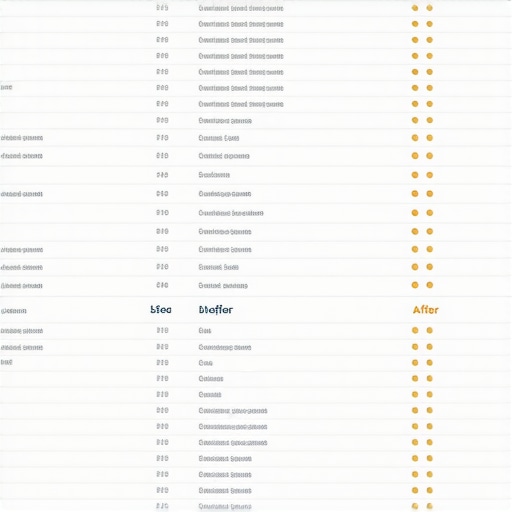
Image showing a before-and-after comparison of local SEO optimization steps with annotations highlighting key elements like NAP, schema, and reviews.
Build Local Backlinks Strategically
Quality backlinks from local websites, chambers, and associations are gold. Reach out to local bloggers, sponsor events, or contribute guest posts to reputable local sites. I once partnered with a local charity, earning backlinks and social mentions that helped my map pack rankings soar. Avoid spammy link schemes; focus on genuine relationships that add value to the community. Think of backlinks as votes of confidence—more local votes boost your visibility.
Monitor and Respond to Algorithm Changes
Stay informed about updates from Google by subscribing to SEO news sources. When an update hits, analyze your data to identify potential causes of ranking fluctuations. I use tools like Moz and SEMrush to track ranking shifts and adapt my strategies accordingly. Rapid response and flexibility are key—Google’s algorithm is like the tide; you need to learn how to surf it, not fight against it.
Leverage Local Content and Community Engagement
Create content that resonates with your local audience—spotlights on local events, customer stories, or community initiatives. Engagement on social media and local forums also helps build your local authority. I once featured a local hero story on my blog, which generated buzz and backlinks, pushing my map pack back into the top spots. Remember, Google rewards active, community-focused businesses.
Many local SEO practitioners operate under misconceptions that can hinder their ranking recovery efforts. Let’s dig deeper into what most people get wrong about local map pack rankings, and uncover the nuanced truths that can give you an edge.
Myth: Google’s algorithm is entirely transparent and consistent
Contrary to popular belief, Google’s local ranking algorithm remains partly a mystery. While Google provides some guidelines, many factors influencing rankings are opaque, especially during algorithm updates. This is why relying solely on generic best practices can backfire. Instead, it’s crucial to stay adaptive, monitor your metrics closely, and be prepared for fluctuations. A common trap is assuming your tactics will work indefinitely — but Google’s algorithm is constantly evolving, sometimes in unpredictable ways. To stay ahead, continuously analyze your data and consult authoritative sources like Moz or SEMrush for insights on recent updates.
Myth: Citations are dead in 2024
Many believe that citations no longer matter, but the truth is more nuanced. While the quality and consistency of citations are paramount, they still play a role in local rankings. A common mistake is neglecting citation audits or assuming that only backlinks matter. In reality, a well-maintained, consistent citation profile acts like trust signals for Google. Inconsistent NAP data or outdated listings can confuse algorithms and cause ranking drops. For advanced strategies, focus on cleaning up your citations and ensuring they match your GMB and website information. For comprehensive guidance, explore our ultimate guide to citation management.
Myth: More reviews always equal better rankings
While reviews are influential, quantity alone isn’t enough. The advanced nuance is the quality, recency, and relevance of reviews. Fake or spammy reviews can harm your credibility and even lead to penalties. Moreover, Google favors reviews that are detailed, genuine, and demonstrate customer engagement. Responding to reviews also signals active reputation management, which can positively influence your rankings. Avoid the trap of chasing review volume blindly; instead, focus on authentic customer feedback and actively manage your review profile. For strategies on review acquisition, see our review management tactics.
Advanced Question: How does schema markup influence local rankings beyond basic optimization?
Schema markup, especially LocalBusiness schema, enhances how Google interprets your website’s data. It’s often overlooked because many focus on content and backlinks first. However, schema provides explicit signals about your location, services, and hours, which can improve your chances of appearing in rich snippets and local packs. According to a study by Search Engine Journal, implementing schema can increase click-through rates and indirectly boost rankings by improving relevance signals. The nuance here is that schema isn’t just about ranking — it’s about making your business more understandable and trustworthy in Google’s eyes. For an in-depth look, visit our comprehensive schema guide.
Have you ever fallen into this trap? Let me know in the comments.
Keeping your local SEO efforts on track requires more than just initial optimization; it demands ongoing maintenance and the right set of tools to ensure your rankings stay strong over time. In my experience, the most successful local businesses invest in a combination of automation, analytics, and regular audits to sustain their visibility in the local pack.
How do I maintain my local SEO rankings over time?
First, I recommend leveraging tools like BrightLocal and SEMrush. BrightLocal is invaluable for monitoring local citations, reviews, and rankings. I use it daily to track fluctuations and identify discrepancies early. SEMrush, on the other hand, helps me analyze competitors and uncover opportunities for backlink building and content gaps. Regularly auditing your GMB profile with these tools ensures your NAP data remains consistent, which is crucial for long-term stability.
Another essential practice is setting up automated review follow-ups through email or SMS campaigns—these tools can be customized to remind satisfied customers to leave reviews, boosting your reputation. I personally use Podium for review management because it integrates seamlessly with my CRM and helps me respond promptly to feedback. Remember, reviews are a living element; maintaining a steady flow of genuine reviews keeps your profile active and trustworthy in Google’s eyes.
Predicting the future of local SEO maintenance
As local search continues to evolve, I believe automation and AI-driven insights will become even more critical. Tools that can predict ranking changes based on algorithm updates or local market trends will give proactive businesses an edge. For example, integrating AI-powered analytics platforms can help anticipate ranking dips before they impact your visibility, allowing for swift corrective actions.
Moreover, maintaining a consistent content strategy—such as sharing community news or local event coverage—will be vital. This keeps your business relevant and engaging, signaling to Google that your business is active and authoritative. To stay ahead, I recommend regularly reviewing your tools and processes, and exploring new automation options as they become available.
For a step-by-step approach to maintaining your local rankings, check out our detailed guide on long-term local SEO maintenance. Implementing these tools and practices will help you preserve your hard-won visibility and adapt seamlessly to future changes in local search algorithms.
Don’t wait for rankings to slip—start integrating these maintenance strategies today and keep your local SEO game strong for years to come.
The Hardest Lesson I Learned About Local Map Pack Recovery
One of the most profound lessons I discovered was that consistent monitoring is more vital than occasional tweaks. Early on, I believed a single comprehensive update would suffice, but I learned that rankings fluctuate daily due to Google’s ever-changing algorithms. Staying vigilant with tools like BrightLocal allowed me to catch issues early and avoid prolonged visibility loss.
Why Overconfidence in Citations Can Backfire
I used to think that once my citations were set, I could forget about them. However, I found that outdated or inconsistent citations can quickly drag your rankings down. Regular audits and updates are essential—think of citations as your digital reputation that needs nurturing just like your local relationships.
The Myth of Quick Fixes and Why Patience Matters
Initially, I chased after quick fixes, expecting instant results. The truth is, local SEO recovery is a marathon, not a sprint. Building genuine reviews, earning local backlinks, and optimizing your GMB profile take time but yield sustainable results. Patience paired with persistence is your best asset in this game.
Curated Recommendations for Long-Term Success
For ongoing maintenance, I rely heavily on tools like SEMrush and Moz Local. SEMrush helps me track keyword fluctuations and competitor strategies, while Moz Local keeps my citations consistent. Additionally, reading authoritative blogs like Search Engine Journal has kept me informed about algorithm updates and emerging best practices. These resources are trusted because they have consistently guided me through complex changes.
Your Path Forward: Embrace the Power of Community and Continuous Learning
Remember, local SEO is an evolving landscape. Embrace community engagement and continuous learning—whether through webinars, local business groups, or SEO forums. Every interaction offers insights that can push your rankings higher. Don’t be afraid to experiment and adapt; your persistence can turn setbacks into comebacks. If you’re ready to dive deeper, check out our comprehensive guide on proven strategies to fix map pack loss and start transforming your local visibility today.